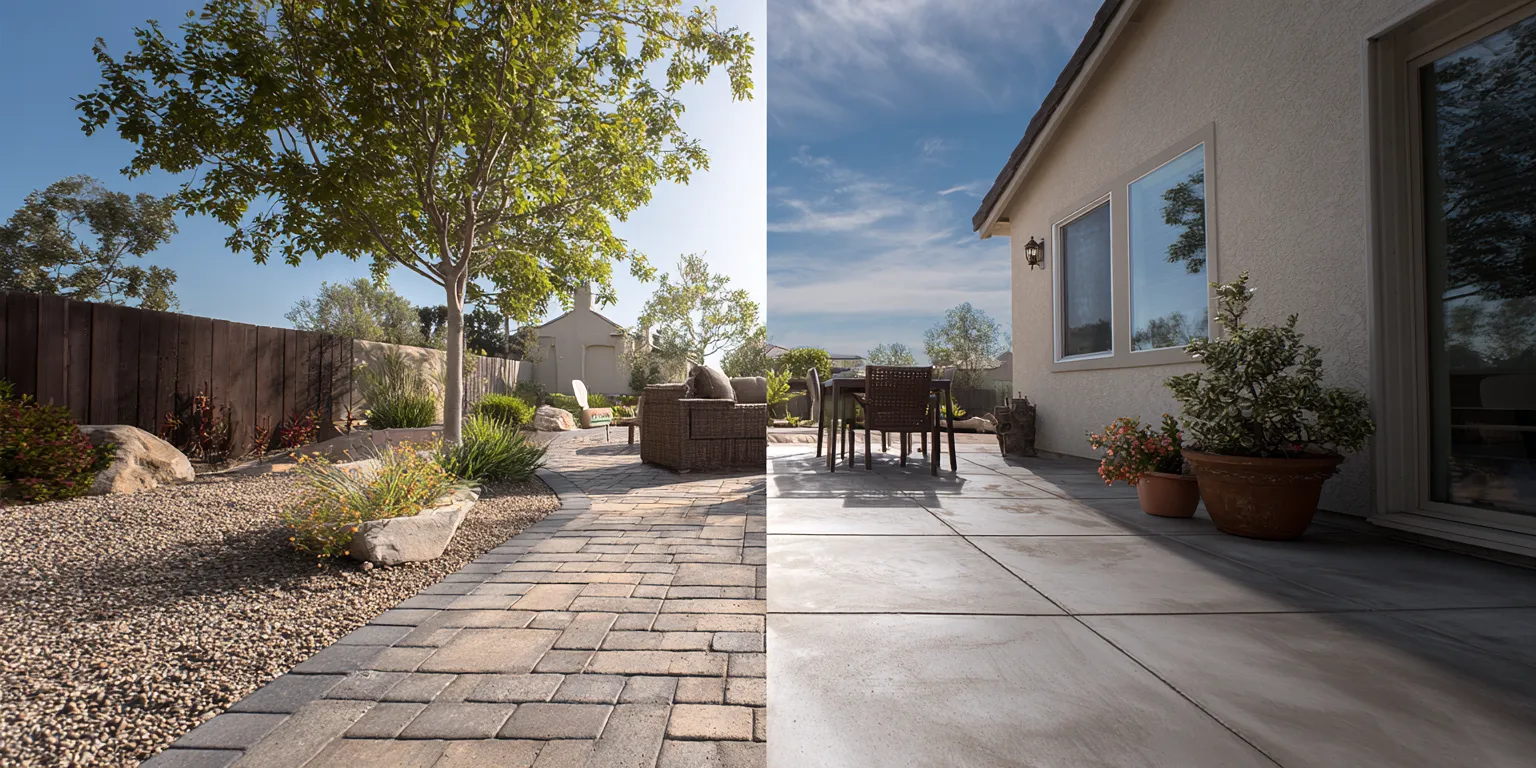
Retaining walls are often associated with sloped properties, but they serve a much bigger purpose than just holding back soil. They help stabilize land, manage water flow, and create usable outdoor space.
If you’re dealing with uneven terrain or ongoing drainage issues, a retaining wall may be the solution. Knowing when you actually need one can help you avoid long-term problems and costly repairs.
What Does a Retaining Wall Do?
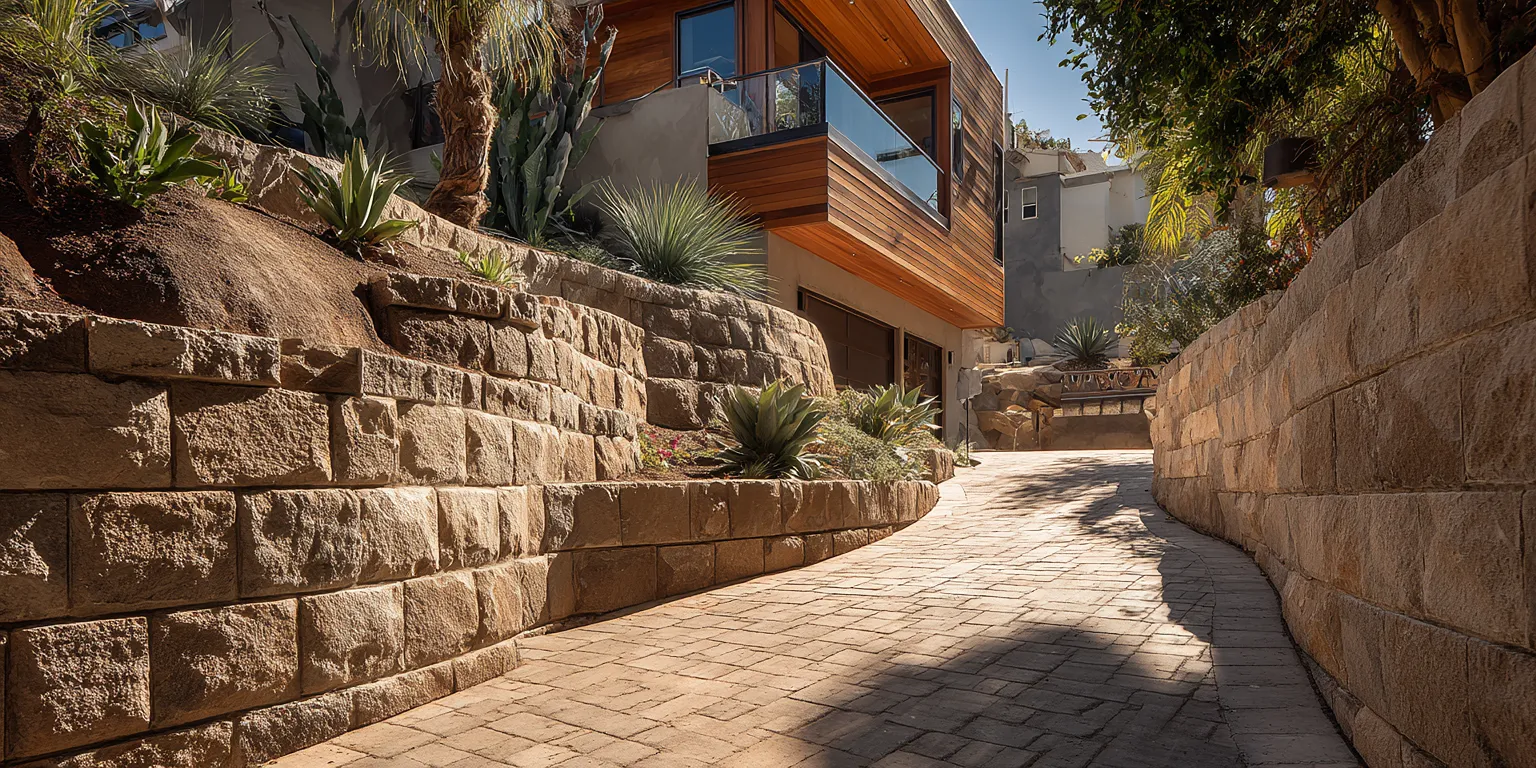
A retaining wall is a structural element designed to hold soil in place and manage elevation changes. It prevents erosion, supports slopes, and allows you to create level areas in your yard.
When built correctly, it becomes both a functional and visual improvement to your property.
Common Signs You May Need a Retaining Wall
Not every yard needs one, but certain conditions are clear indicators that a retaining wall could be necessary.
1. Sloped or Uneven Yard
If your yard has noticeable slopes or steep areas, a retaining wall can help create flat, usable space for landscaping or outdoor living.
2. Soil Erosion
If you notice soil washing away after rain or irrigation, it’s a sign your property lacks proper support and stabilization.
3. Water Drainage Issues
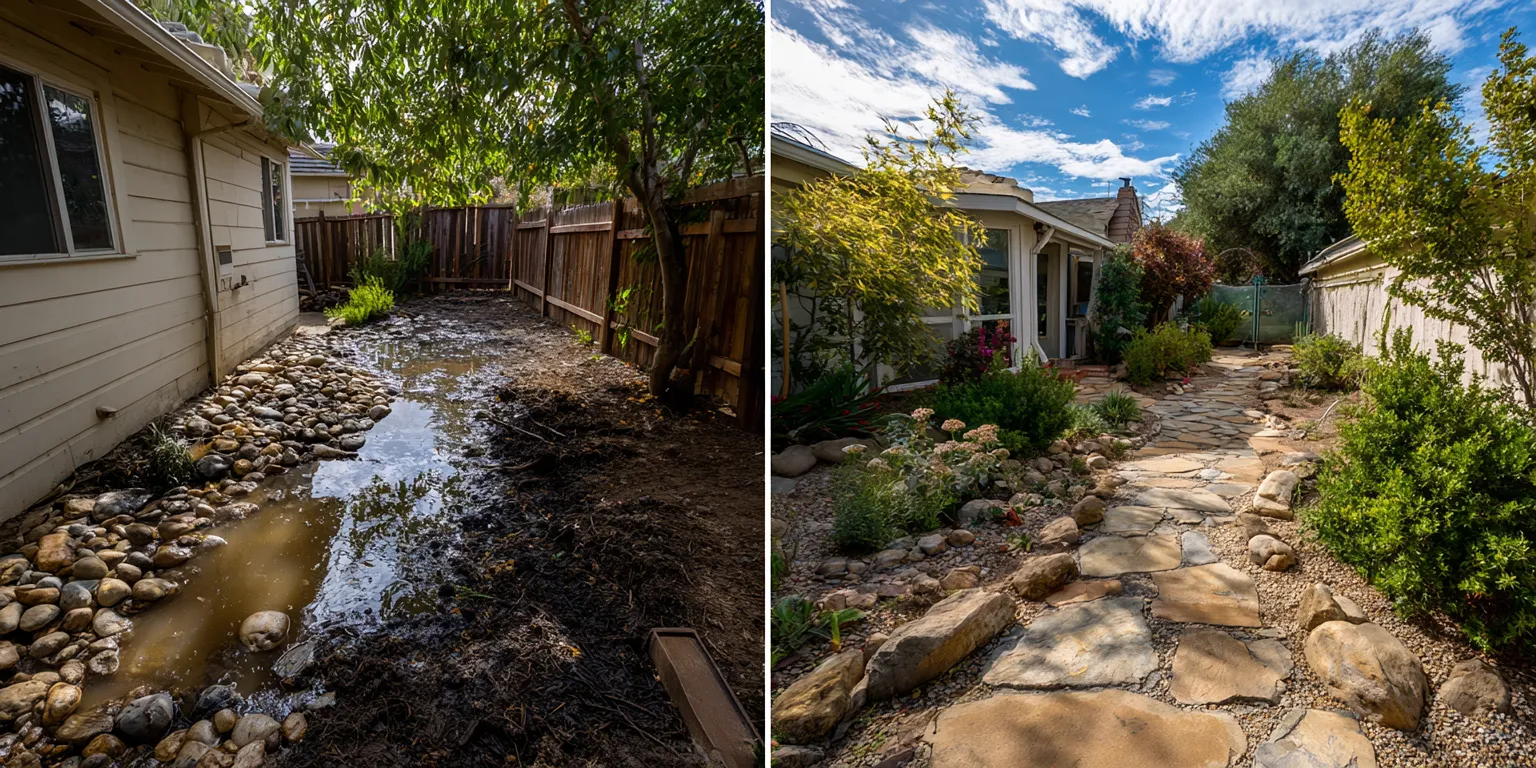
Poor drainage often goes hand-in-hand with elevation problems. Retaining walls can help redirect water and prevent pooling.
4. Cracking or Shifting Ground
Movement in your landscape or nearby structures may indicate unstable soil that needs reinforcement.
Benefits of Installing a Retaining Wall
Beyond solving problems, retaining walls offer several long-term advantages:
- Improves property stability and prevents erosion
- Creates level areas for patios, turf, or planting
- Enhances overall landscape design and structure
- Helps manage water flow and drainage
For many homeowners, it’s both a functional upgrade and a visual improvement.
Types of Retaining Walls
Depending on your property and goals, different types of retaining walls may be used:
- Segmental block walls – durable and commonly used for residential projects
- Concrete walls – strong and suitable for structural applications
- Decorative walls – designed to enhance landscape aesthetics
Choosing the right type depends on your site conditions and design preferences.
Why Proper Construction Matters
Retaining walls must be built correctly to perform over time. Poor construction can lead to failure, shifting, or water buildup behind the wall.
Key factors include:
- Proper base preparation
- Drainage behind the wall
- Reinforcement and structural support
This is why working with a licensed contractor is critical for long-term performance.
When to Call a Professional
If you’re noticing signs like erosion, uneven terrain, or drainage issues, it’s a good time to have your property evaluated.
A professional assessment can determine whether a retaining wall is necessary and what type of solution will work best.
Final Thoughts
Retaining walls are not just for aesthetics — they play an important role in protecting your property and improving how your outdoor space functions.
Addressing these issues early can prevent larger problems and help you make better use of your yard.
Greenview San Diego Hardscape provides on-site consultations to evaluate your property and recommend the right solution. As a licensed C-27 contractor, we build retaining walls designed for durability, stability, and long-term performance.
Contact us today to schedule your estimate.